Callan Qaivaralria Chythlook-Sifsof
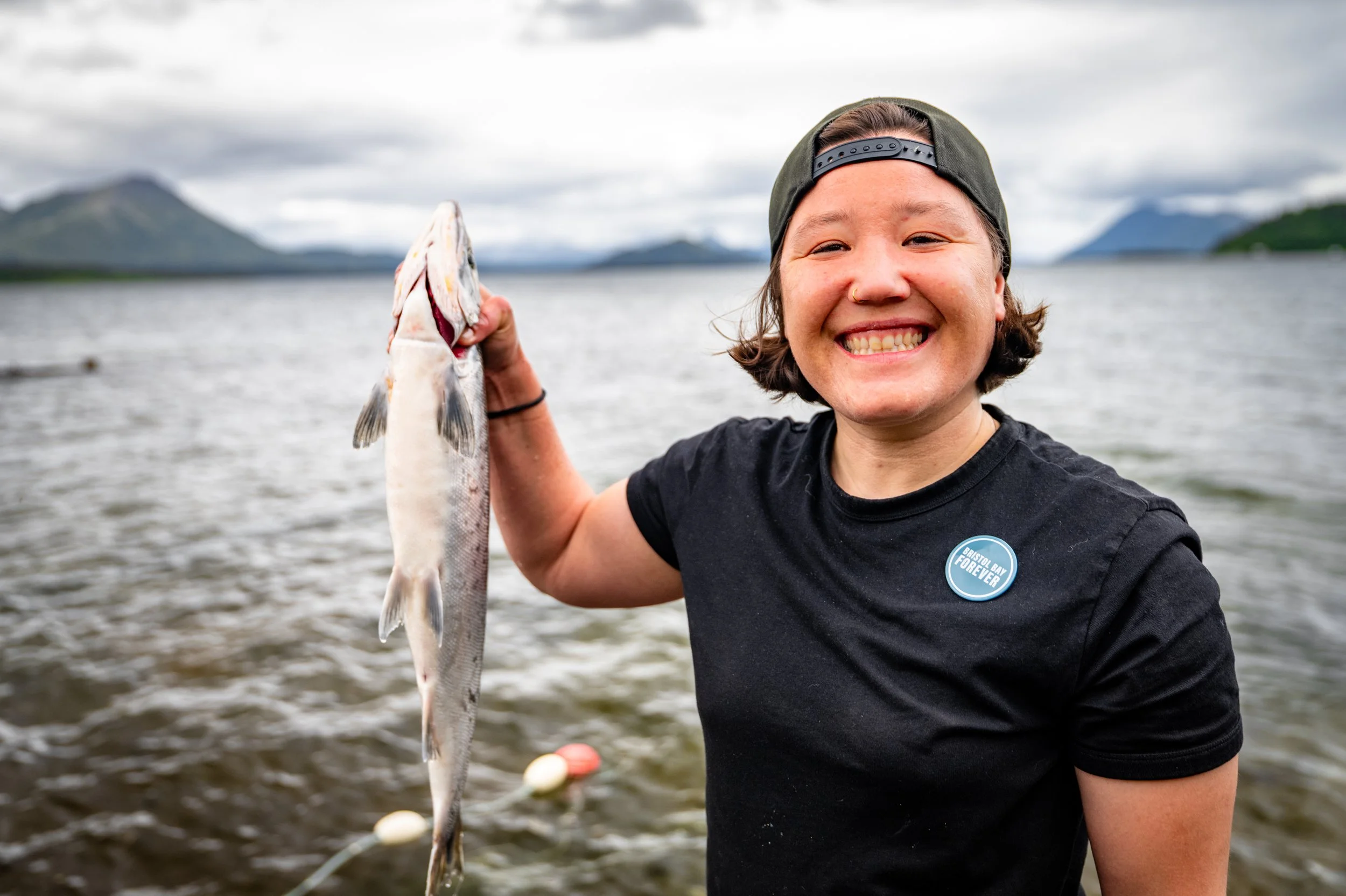
“My name is Callan Chythlook-Sifsof. I was raised here in Aleknagik, Alaska. We're here in my childhood home right now.
My mom, my entire family, were lifelong commercial fishermen, and my grandpa fished back in the sailboat days. I'm pretty sure most of my family did.
Here, fishing is what brings people together.”
—Callan Qaivaralria Chythlook-Sifsof, an Olympic snowboarder whose career has been fueled by Bristol Bay salmon
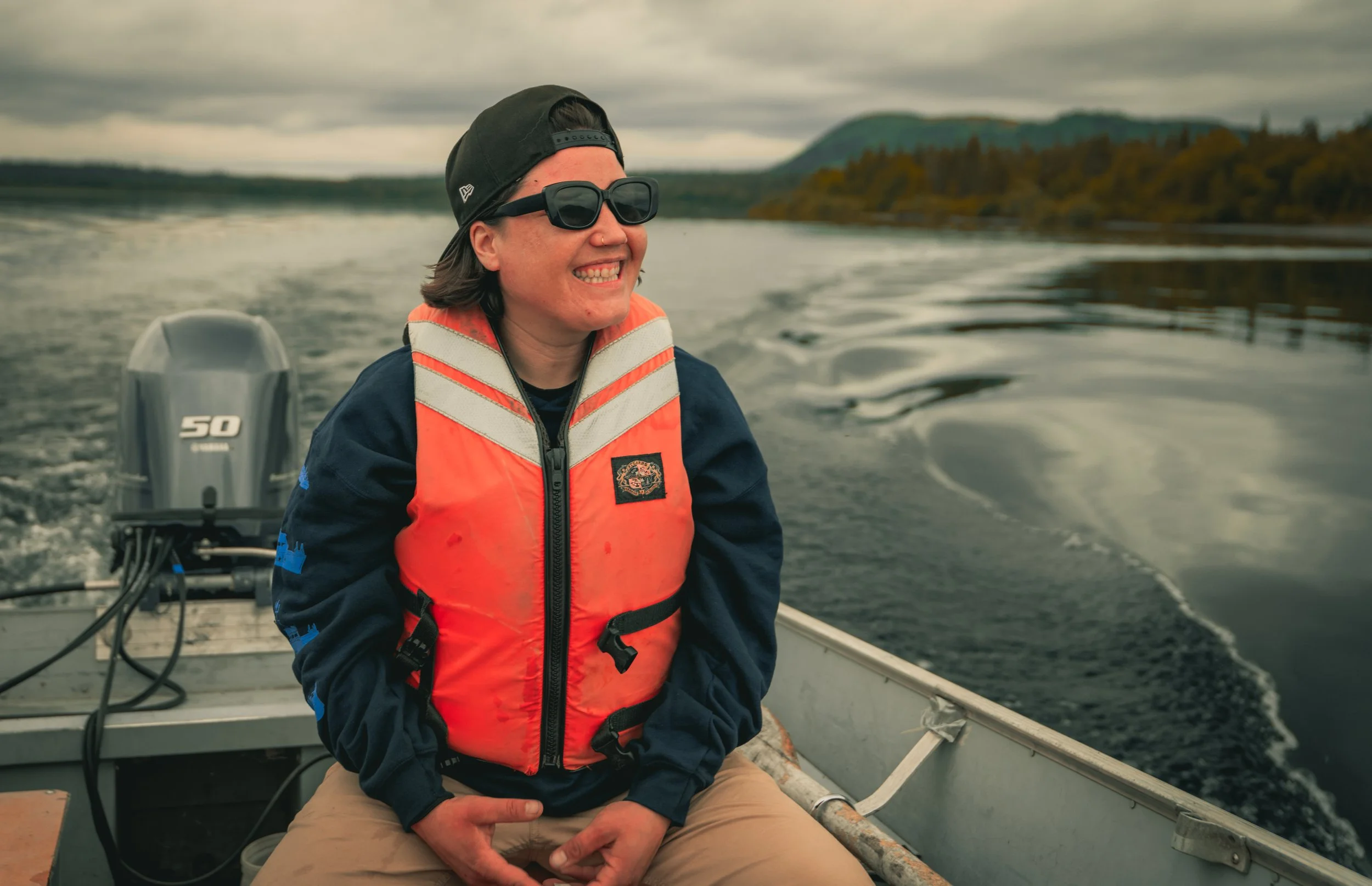
“I grew up here in Aleknagik, and this is actually where I learned to snowboard, just behind my house, on one of the first kids' model snowboards. It was a hand me down from my brother. The money from fishing bought our snowboards as children.
There is nothing better than Bristol Bay fishing to prepare me for the Olympics. That absolutely set me up for any success I had.
Bristol Bay fishing equipped me with fine motor muscles for balance when you're out on the water, and endurance. The endurance that's required to even be out there fishing is exactly what it takes to make the Olympic team.”
—Callan Qaivaralria Chythlook-Sifsof, an Olympic snowboarder whose career has been fueled by Bristol Bay salmon
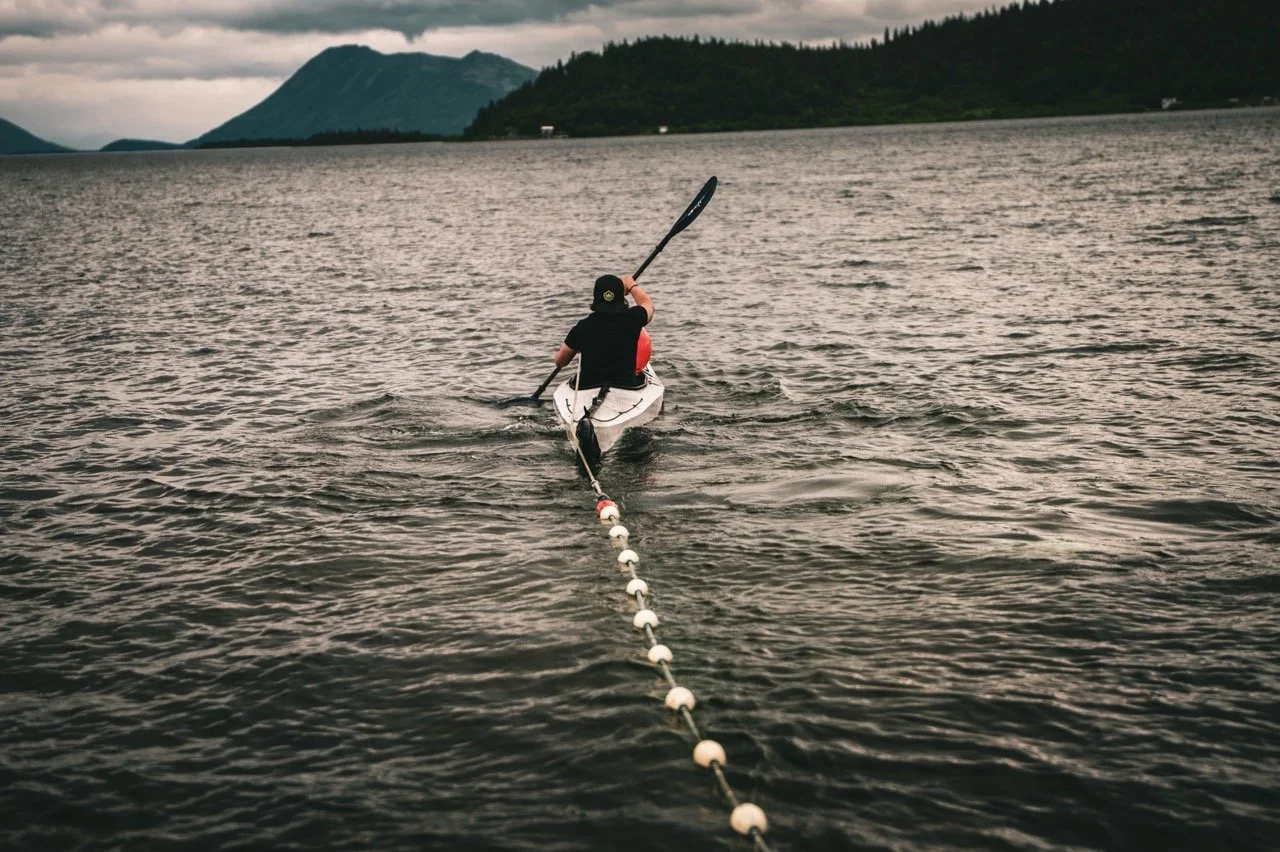
“All of the memories that just come flooding when I think about fishing are just so magic. I remember wakeboarding behind the fishing vessel Red Wing. That's my grandpa's boat.
We are adrenaline junkies in my family. My mom, my dad, my brother, my nephew.
Back in the day when the fishery was thriving, pricewise as well, it was reflected in every other aspect of our lives out here. When fishing was good, the rest of the year was good.
What sculpted my career of being a snowboarder was just the variety of activities we have out here. After fishing — my family, we'd jet ski. We'd wakeboard. I have the fondest memory of the fishing vessel Redwing, my grandpa's boat. We thought it would be fun to wakeboard behind it because my brother thought the wake would be fun to jump. It took a while to get up on step. And so for a good five minutes, you’d have to be plowed with a huge wake before you could get up. It was hairy.”
—Callan Qaivaralria Chythlook-Sifsof, an Olympic snowboarder whose career has been fueled by Bristol Bay salmon
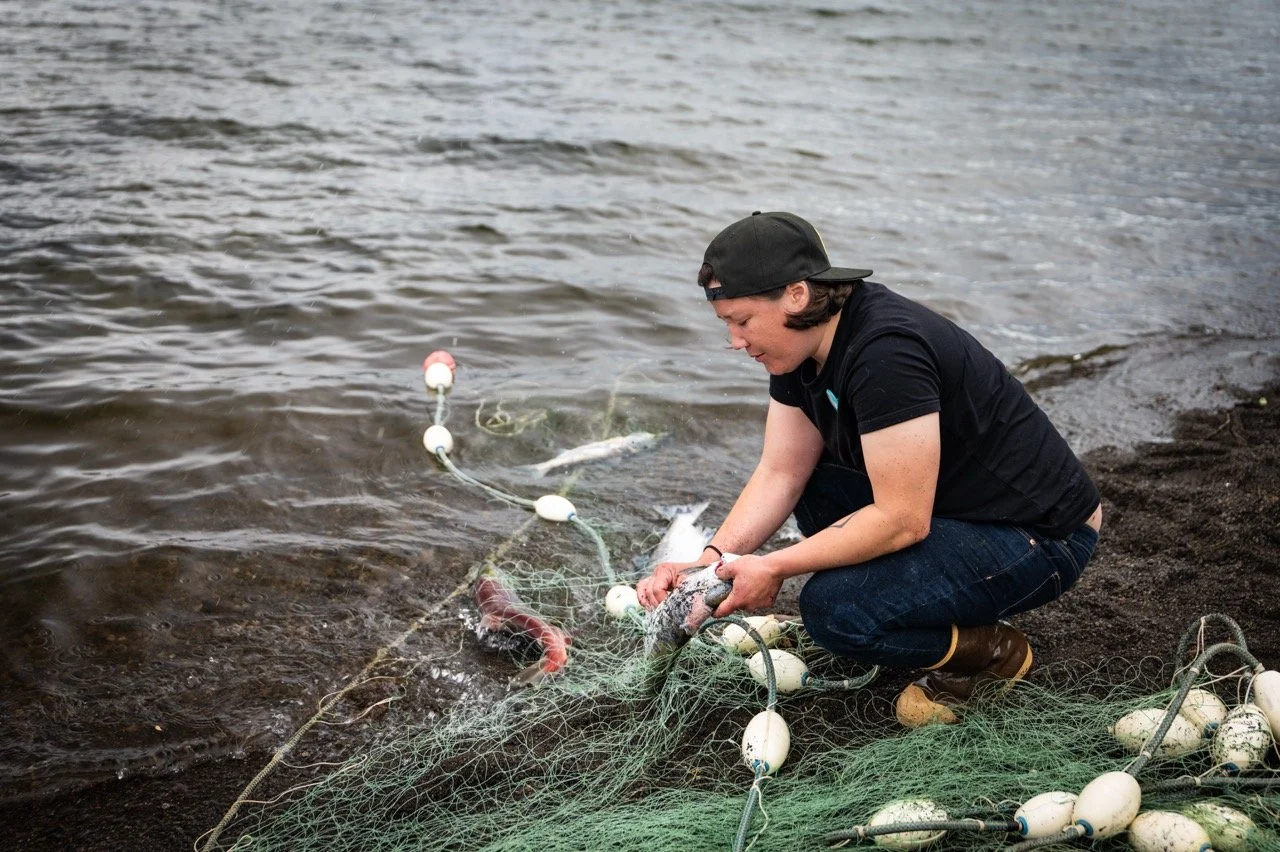
“Fishing is critical for this community. In the wintertime, there are certain things that are required. Snow machines are very useful to get wood, and those cost a lot of money. And without the fishing industry here in Bristol Bay, we wouldn't be able to purchase the items that are required in everyday life in the winter time.
As the fishery dips, it also affects the rest of our lives out here. Whether you can pay your fuel bill, whether you can barge a truck out, whether you can get a truck. It can't be understated. It affects everything.
The fishery needs to be here for the people of Bristol Bay, and it needs to continue. It's always been how we've survived out here from the sailboat days to now. Without this fishery we do not have a means of income out here. It's just cut and dry. It's not complicated. It is part of living here, it's part of the community. It's ingrained into our every day and who we are.”
—Callan Qaivaralria Chythlook-Sifsof, an Olympic snowboarder whose career has been fueled by Bristol Bay salmon
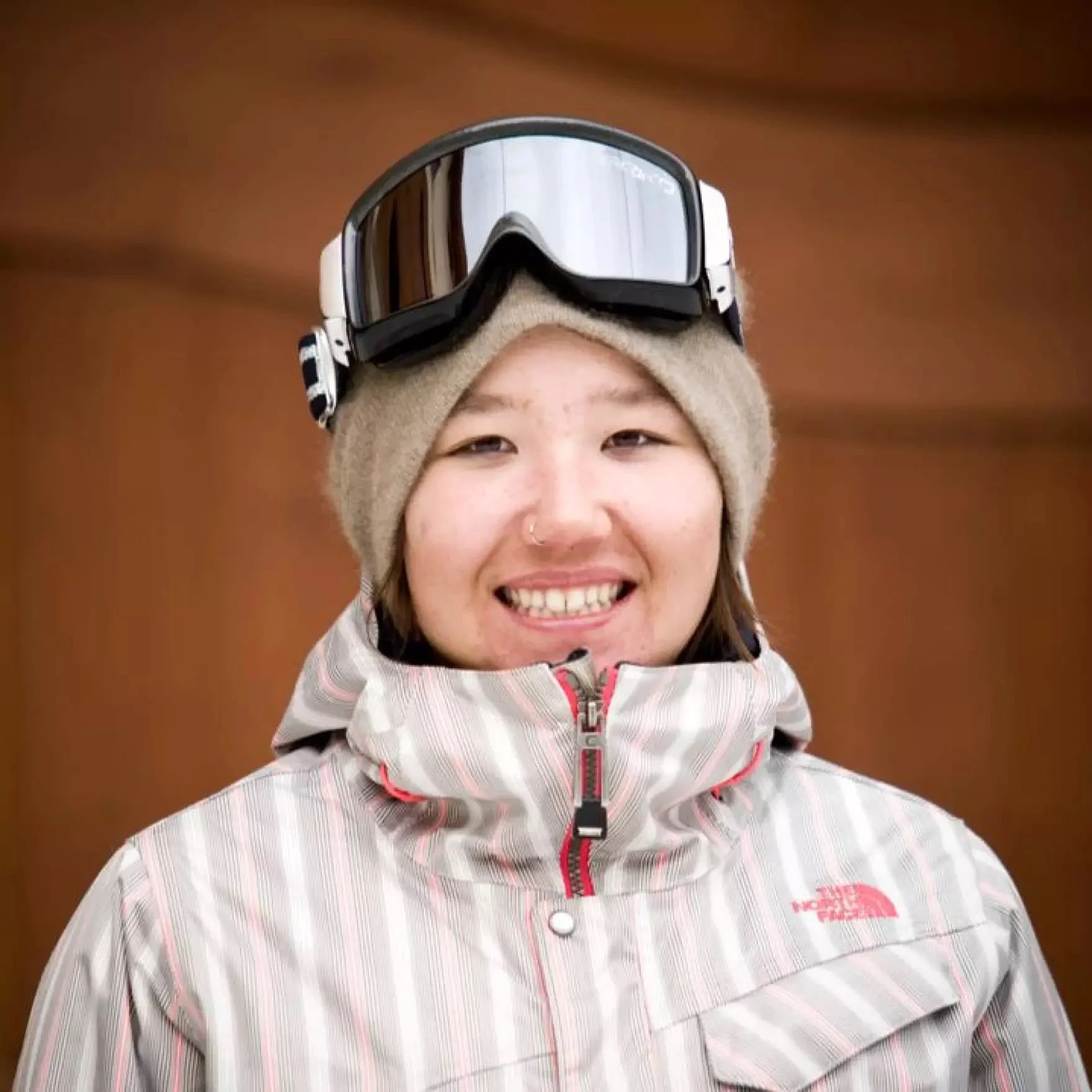
Photo credit: KDLG
“I grew up snowboarding literally right behind my house with my big brother, and then we'd snow machine and go all over the place to these mountains. Here in Aleknagik, in Bristol Bay, we are nestled right in the Wood-Tikchik State Park, and, uniquely, we have beautiful mountains out here compared to a lot of areas on the west coast of Alaska. The nearest chairlift would probably be about 400 miles away, and you can only get there by plane.
Without fishing, we wouldn't have had snowboards. We wouldn't have had snow machines. And I never would have been an Olympic athlete.
All of my fondest memories have to do with fishing. The better the fishing year, the more fun the snowboarding was for me and my family.”
—Callan Qaivaralria Chythlook-Sifsof, an Olympic snowboarder whose career has been fueled by Bristol Bay salmon
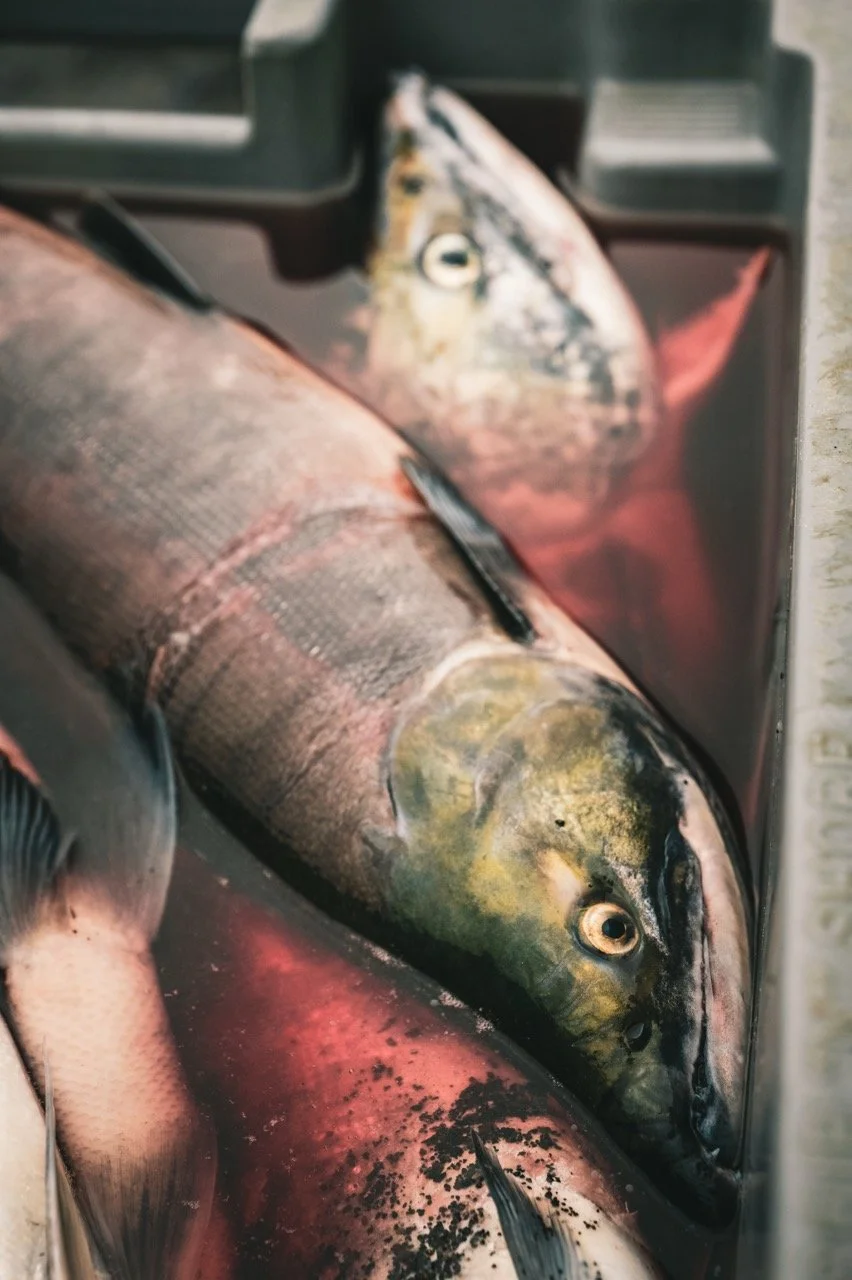
“I think for a lot of people that fish here that don't live here, it's a seasonal fishery, but if you live here, it's not seasonal, it's part of everything, it's part of every season. One of the things we work on is trying to bring back protections for local access to fisheries.
My dad was born in Ekuk in a cabin. It can't be overstated that he is a fisherman through and through, so much so that it pains him to have to retire. He spent a lot of years working really hard on all their boats to try to equip them to compete with what's happening.
For a lot of people that grew up here fishing, like my dad and a lot of members of my family, it's very hard to get a boat that can compete with the highest tech out there right now. And when you have million dollar boats, it edges out a lot of the local fishermen. And more and more you see local people selling their permits just to get by. To keep up the fishery requires a lot in these boom and bust times. And so right now for my family, it's pretty difficult. My dad had to stop fishing just because it was not financially feasible for him to do so.
This is a local fishery. It always has been. It started with sailboats, with Native people.
That Discovery Channel bravado that people are really itching for that we all love — that came from these Native people on a sailboat, sleeping under a tarp, or maybe not even a tarp. Sleeping all season on the deck of a sailboat. That is the tough stuff. And as technology improves, it us be more efficient fishermen.
It’s a shame to see permits being sold around here. And it's happening more frequently because it's impossible to compete with a lot of the really expensive Outside boats. When people are put in a corner where they have to sell their permit to get by, they're going for $200,000.
Your family is not going to get that back. They're going to be transferred to typically an Outside person, you know, from Washington, California. And then you see migration out of villages, because you can’t financially live here if you don’t have that lifeblood of our industry.”
—Callan Qaivaralria Chythlook-Sifsof, an Olympic snowboarder whose career has been fueled by Bristol Bay salmon
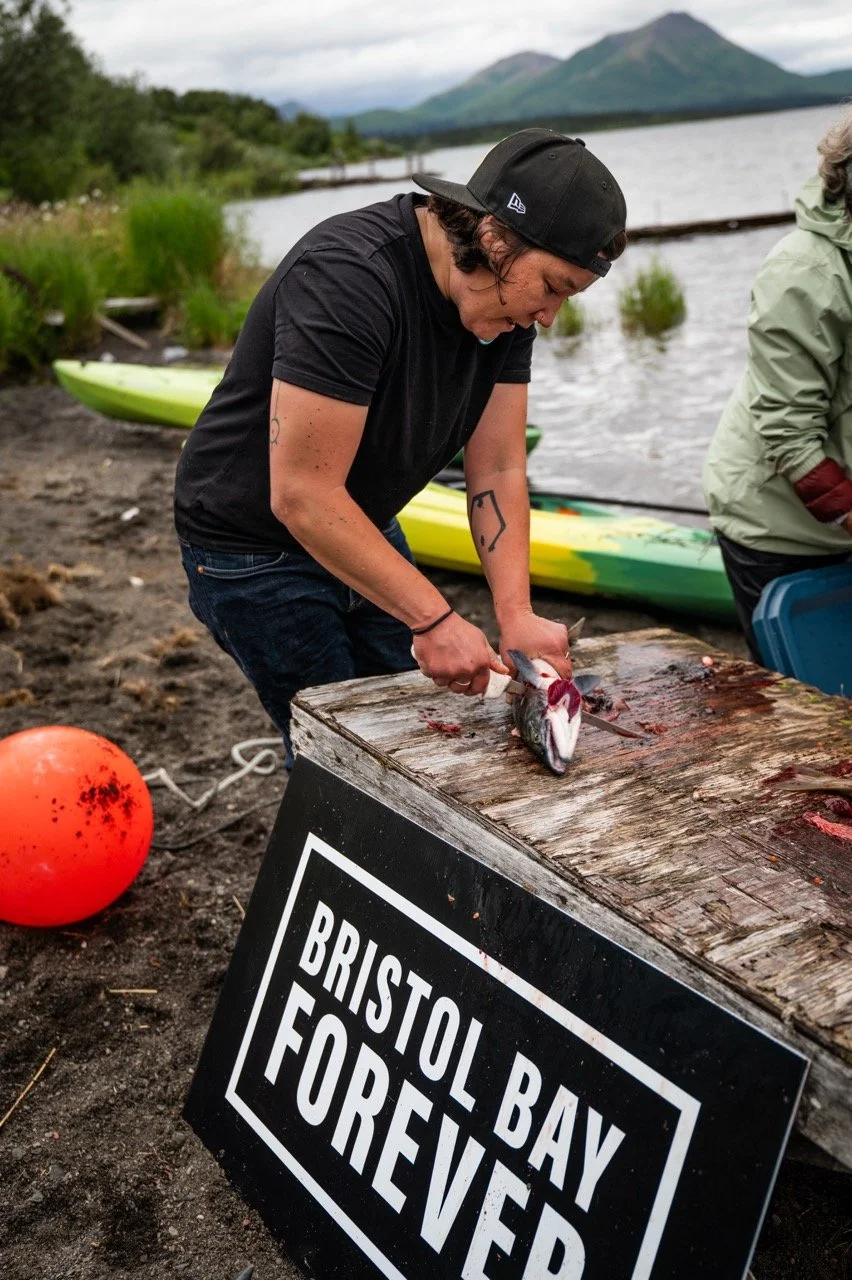
“The Pebble Mine is not a good idea. It’s not appropriate to have the Pebble Mine in Bristol Bay. It cannot happen. We can't keep repeating these things over and over.
We have such a rich fishery. This is our fishery, in our land, and we do not want the Pebble mine here. We're not going to allow it
There are so many different things you can point to. This is the most gorgeous place to visit, but it also is a requirement that we have a fishery here to live here.
The beautiful thing about our fishery and about the Pebble Mine fight is that it's nonpartisan. Every person I know from Bristol Bay, literally every person I know that has grown up here or lived here — Republican, Trump supporter, Biden supporter, it doesn't matter. Every person that lives here is opposed to the Pebble Mine. I don't know a single person that wants this mine.”
—Callan Qaivaralria Chythlook-Sifsof, an Olympic snowboarder whose career has been fueled by Bristol Bay salmon
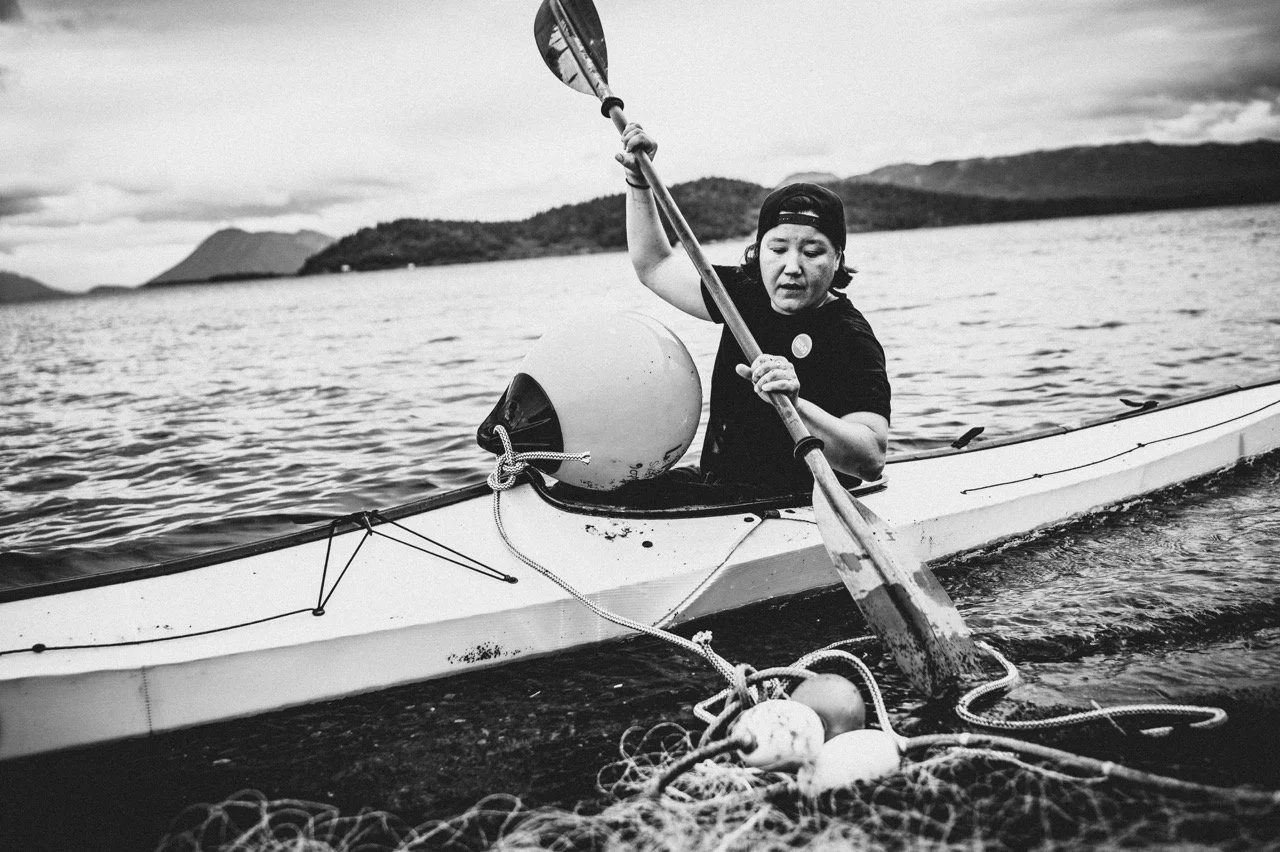
“There's an old slogan — Bristol Bay fishermen feed the world. It’s true.
If I could speak to President Trump, I would say what makes America great is wild salmon and the healthy wild fishing industry we have here. It’s absolutely insane to think about putting a mine here. This is not the place.
Pebble, in their applications, they talk about having a dam that is going to have to hold back toxic waste forever.
The biggest threat to salmon in Bristol Bay is the Pebble Mine. Salmon have survived 10,000+ years. The Pebble Mine would be permanent. Forever. Once you build a tailings (mine waste) dam, it's not going away. You can't reverse it.
In this part of the world, there is no going back. We have tundra. We have watersheds that are unique to our landscape. The Pebble Mine — even the best case scenario is detrimental in the highest degree to this community. It can't happen.
It's about life. It’s not about politics, money. It's about literally the ability to live. Having clean water. We live off of this population of salmon, financially and as our food source, so it can't happen. We need the protection to be permanent.”
—Callan Qaivaralria Chythlook-Sifsof, an Olympic snowboarder whose career has been fueled by Bristol Bay salmon
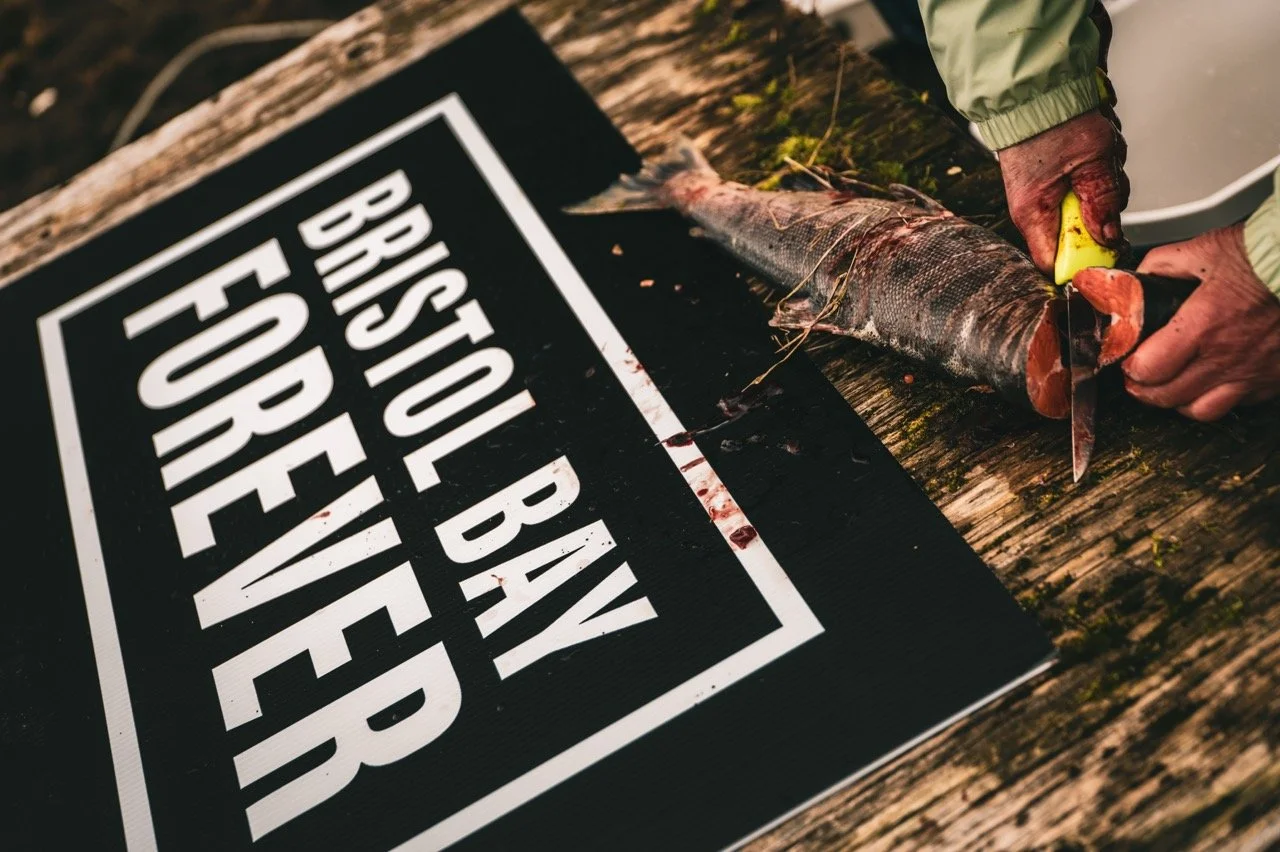
“There has been a fight against Pebble almost my whole life. Since I was a child, this has been happening. There is no more feedback that people need from the community or the region or the State of Alaska about this mine. It's very clear how people feel. What we need right now is a permanent solution to end this fight, to stop the resources going to this fight, so we can send resources to other parts of our community.
The science is not going to change.
The community opinion is not going to change.
People have fought their entire lives and set aside major parts of their trajectories to fight this. That's not just in our region, but that's our state. Internationally. We need a permanent solution to end the fight against this threat to our population, to our life.
President Trump denied Pebble a permit in his first term, and there is absolutely no reason why we have to waste taxpayer dollars to continue another round of this.
I genuinely am grateful to Representative Bryce Edgmon for his leadership and his forward thinking and the impact of even just seeing the Bristol Bay Forever Act (introduced in the Alaska State Legislature the last day of the 2025 legislative session.) It’s a breath of fresh air. The Alaska legislature needs to pass the Bristol Bay Forever Act.”
—Callan Qaivaralria Chythlook-Sifsof, an Olympic snowboarder whose career has been fueled by Bristol Bay salmon