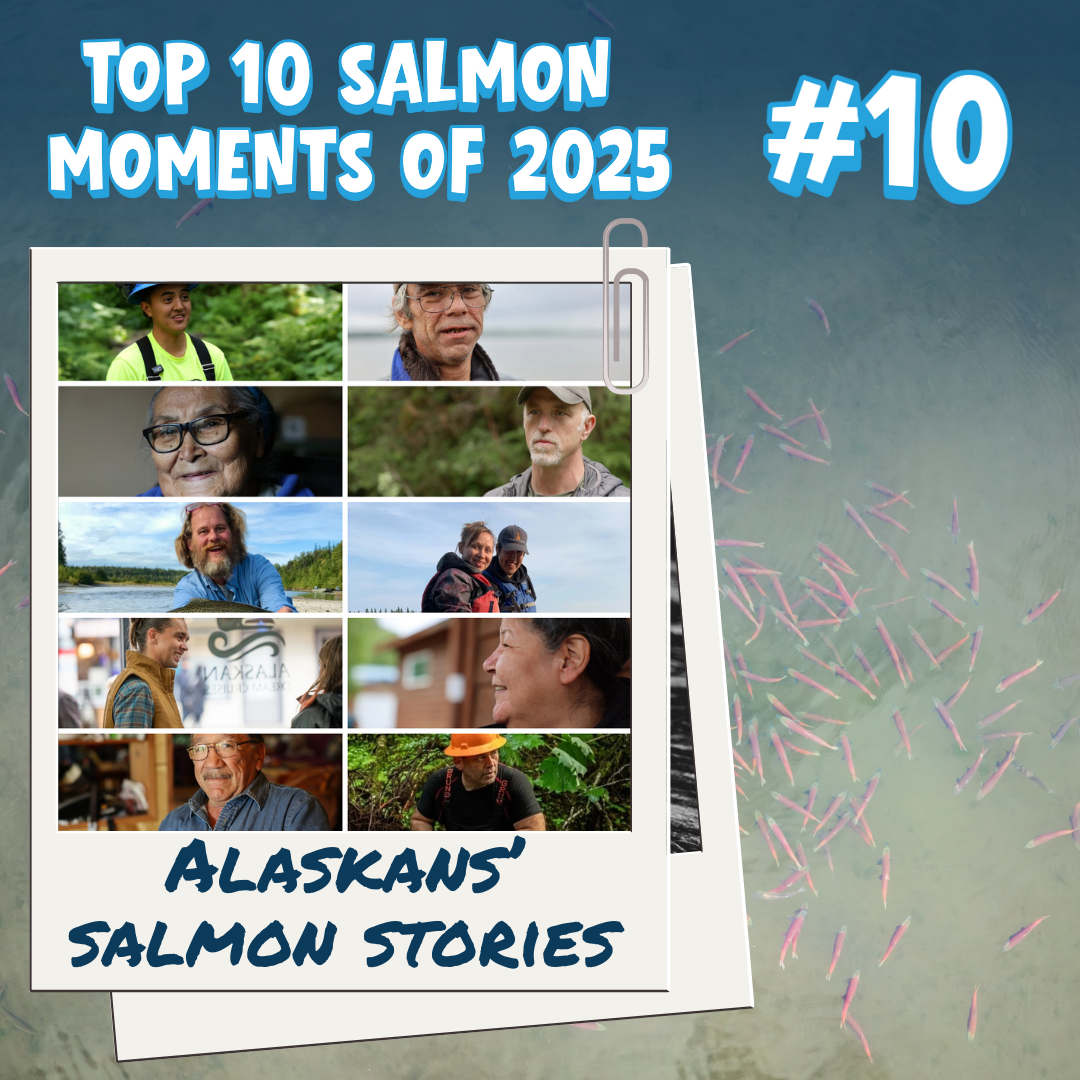
Every year it’s a pleasure to share first-person stories from people deeply connected to Alaska’s wild salmon and the places that make them possible. This year, we were lucky enough to share stories from people working to restore salmon habitat in Yakutat; keep transboundary rivers healthy; stop trawl bycatch and bring salmon back to the Yukon River; and keep the West Susitna region wild. Check out https://salmonstate.org/salmon-stories to see if you missed any, and thanks so much to all who were generous enough to share their stories with us — and with all of you.
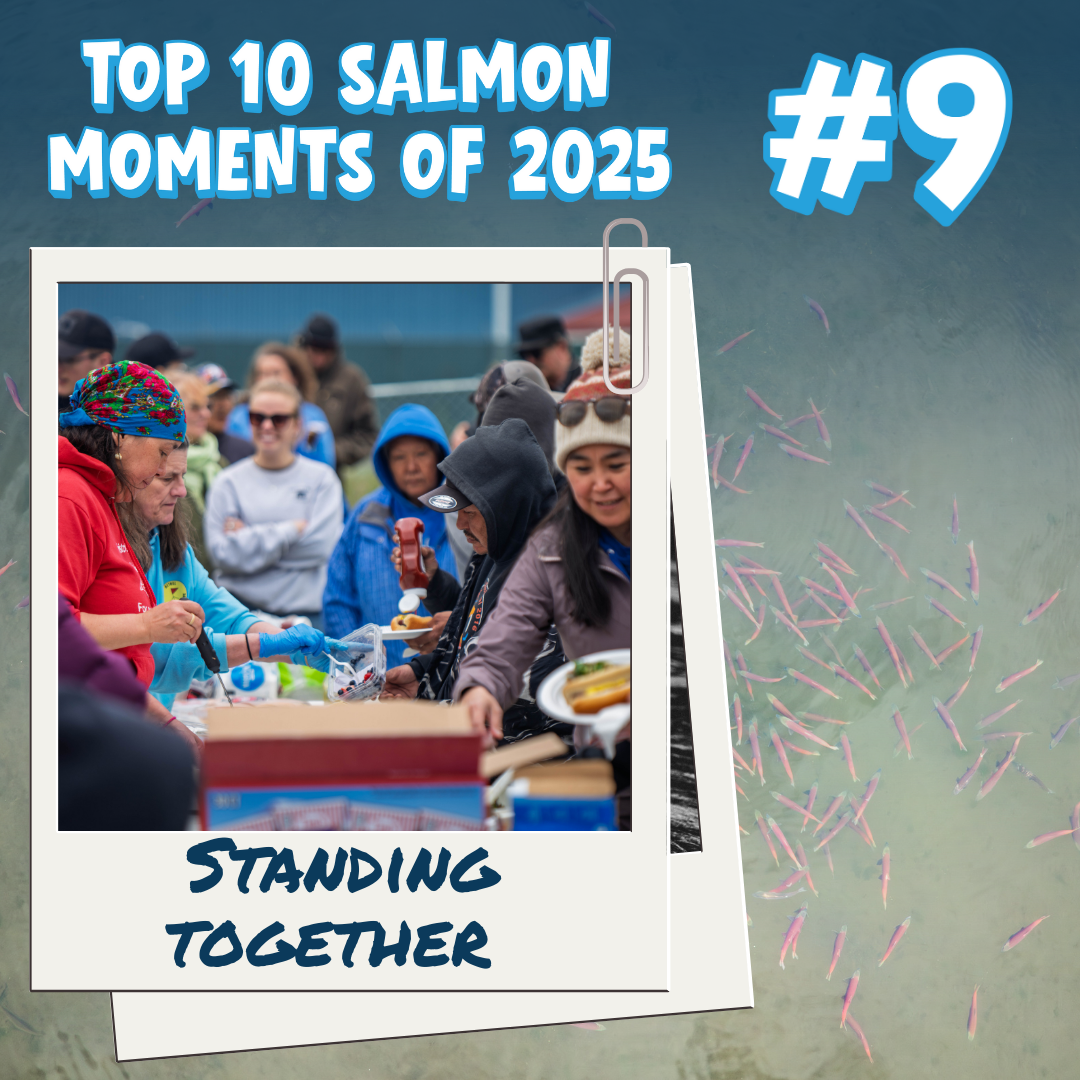
2025 was a year of Alaskans coming together to defend our wild salmon, hunting and fishing traditions, and public lands. Starting with the White House’s executive order on Alaska on January 20, this year saw enormous pressure, largely stemming from DC and foreign corporations, to enrich a select few at the expense of the American people.
From the Tongass, to the Kuskokwim, to the Central Yukon, in 2025 Alaskan public lands, clean water, and wild salmon have been threatened with direct sell off, privatization or industrialization in the name of private profit at taxpayers’ expense.
However, Americans, and Alaskans, fought back. We made clear the importance of keeping public lands in public hands, and pushback against attempts to weaken protections for our land, air and water have been nothing short of incredible.
Every single Alaskan who has spoken out, whether in a newspaper opinion piece, to a reporter, on social media, via public comment, or via a call or letter to one of your elected officials, has been a beacon of hope this year — and a clear reminder of the depth of our connection to this incredible place we’re lucky to call home.
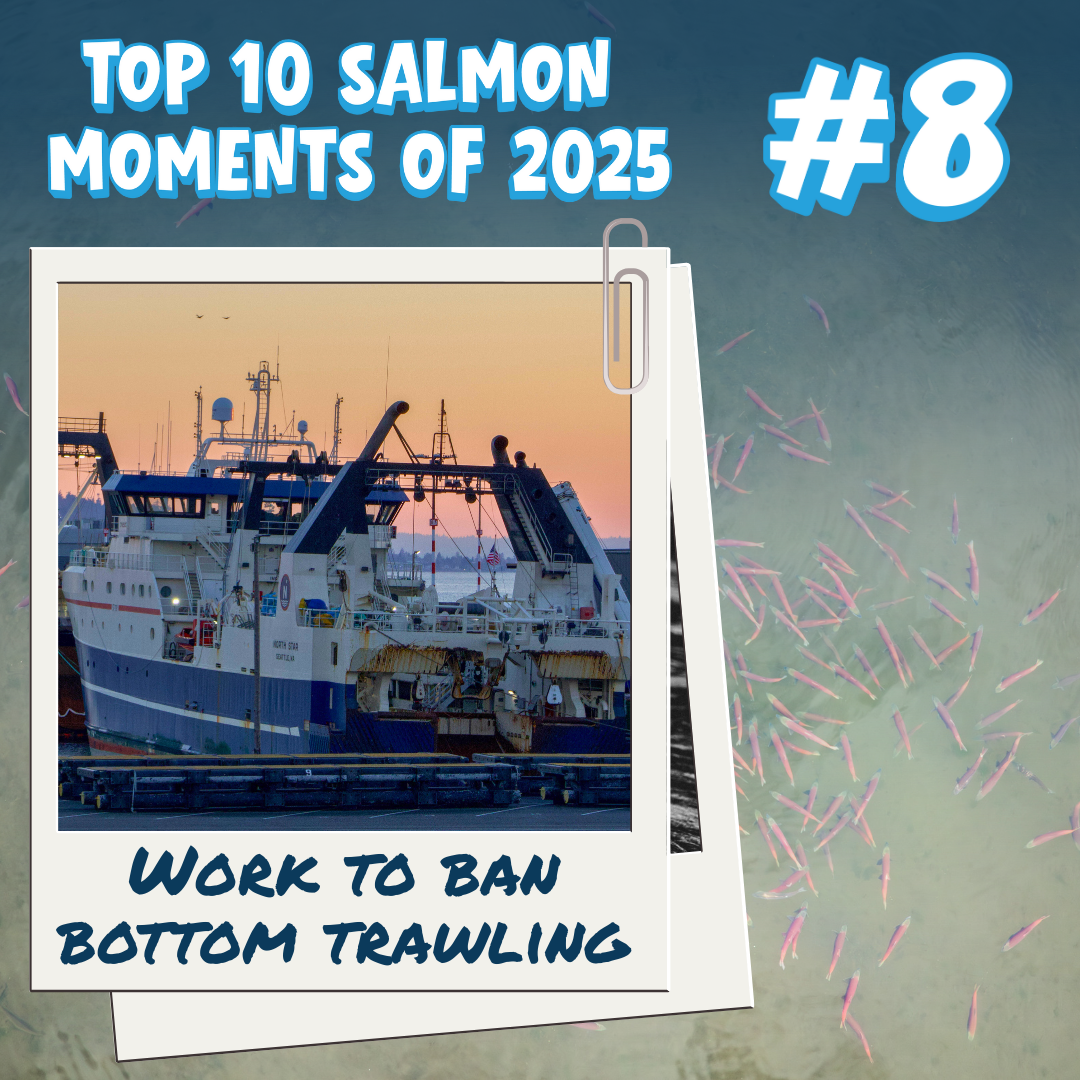
We surveyed more than a thousand Alaskans this year, and you told us your top priority is to ban bottom trawling. The hard on bottom trawl fleet is the worst of the worst — bycatching, at one time, three times more halibut than halibut fishermen were allowed; fighting conservation measures in court; tearing up the slow-growing, fragile ocean floor and leaving destruction in their wake. We delivered those responses to Rep. Nick Begich, who has yet to take any meaningful action to address trawl bycatch waste. Also this year, hundreds of you showed up at screenings of Ocean with David Attenborough, which we and partners hosted in 13 locations across the state. If you haven’t seen it yet, there will be more in 2026!
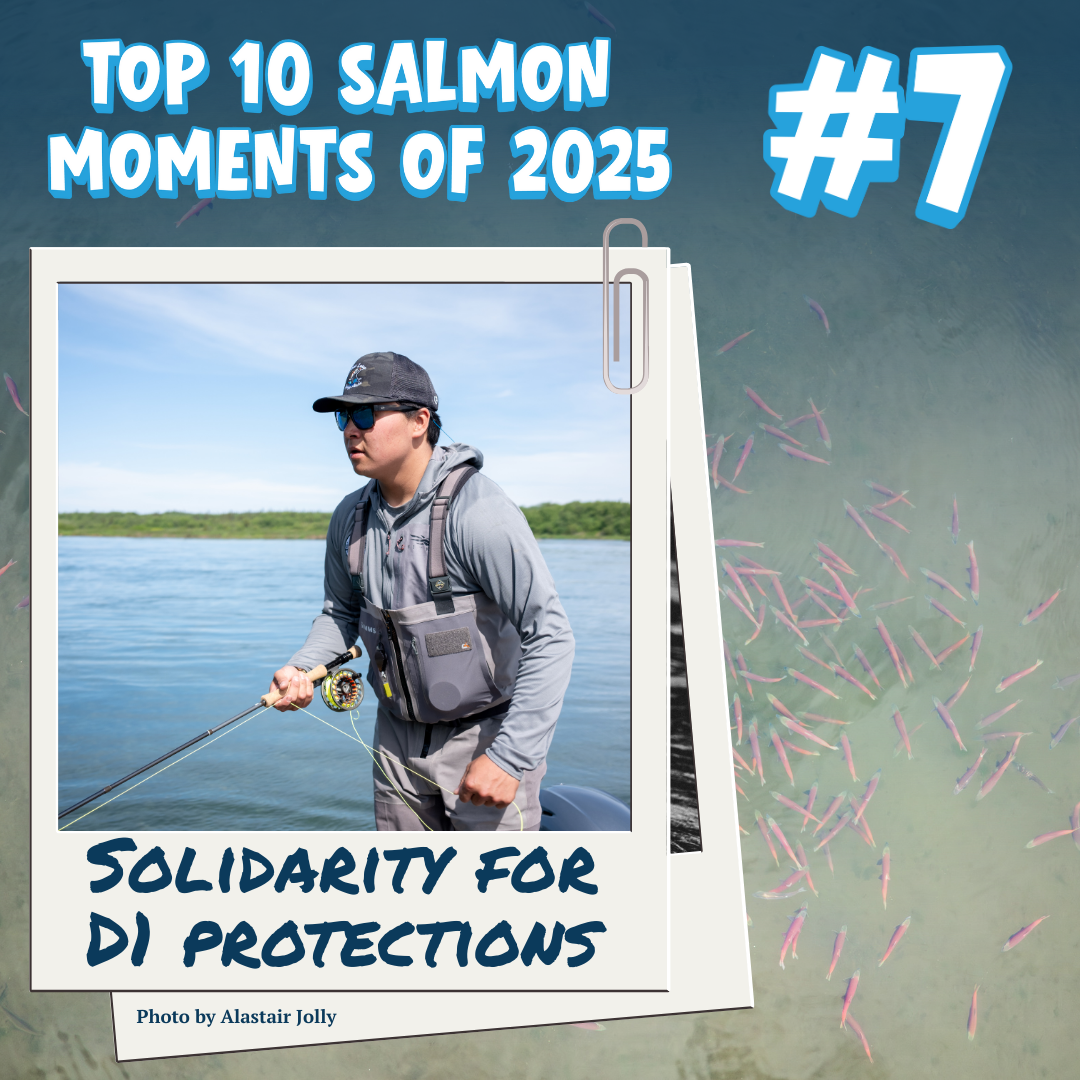
Solidarity for protections on 28 million acres of D1 lands around Alaska is increasing around the state and the country, with both the Alaska Federation of Natives and the National Congress of American Indians ratifying resolutions in support of them.
The decision, in 2024, to protect Alaska’s BLM D-1 lands, which were withdrawn from mineral entry and oil and gas development 50 years ago under section 17 (d)1 of the Alaska Native Claims Settlement Act, was supported by more than half of Alaska’s federally recognized Tribal governments, more than 120 Alaskan businesses, and 145,000 Alaskans and Americans. These lands are essential as fish and wildlife habitat, to Alaska Native communities for subsistence, and to hunting, angling and recreation outfitters.
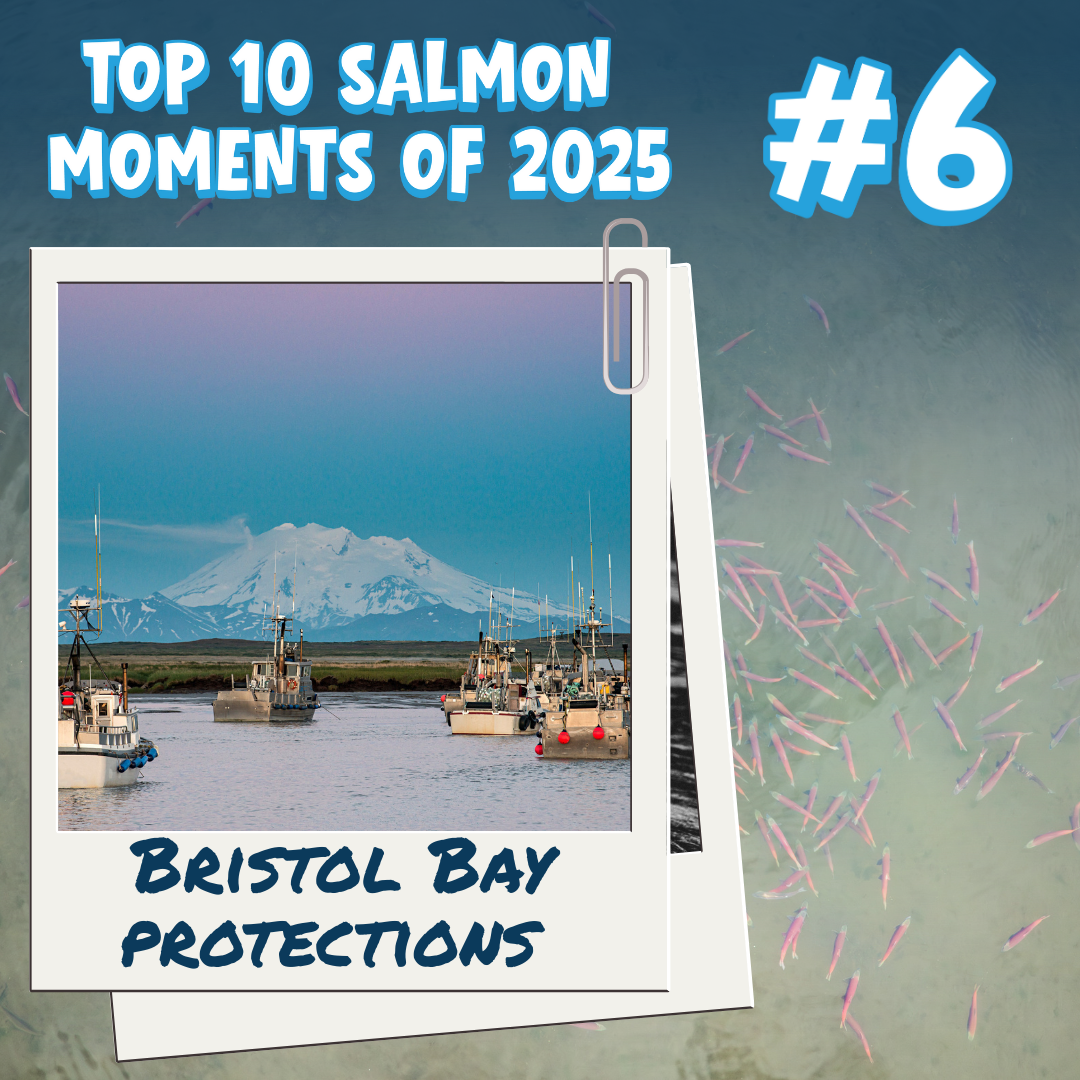
The Pebble Partnership has been pushing the Trump Administration to give it a way to move forward. In 2025, however, the administration upheld the EPA’s decision that Pebble poses too great a risk to the world’s largest sockeye salmon run. This year, Bristol Bay saw a return of 56.7 million sockeye salmon and continued to provide extraordinary value to the world.
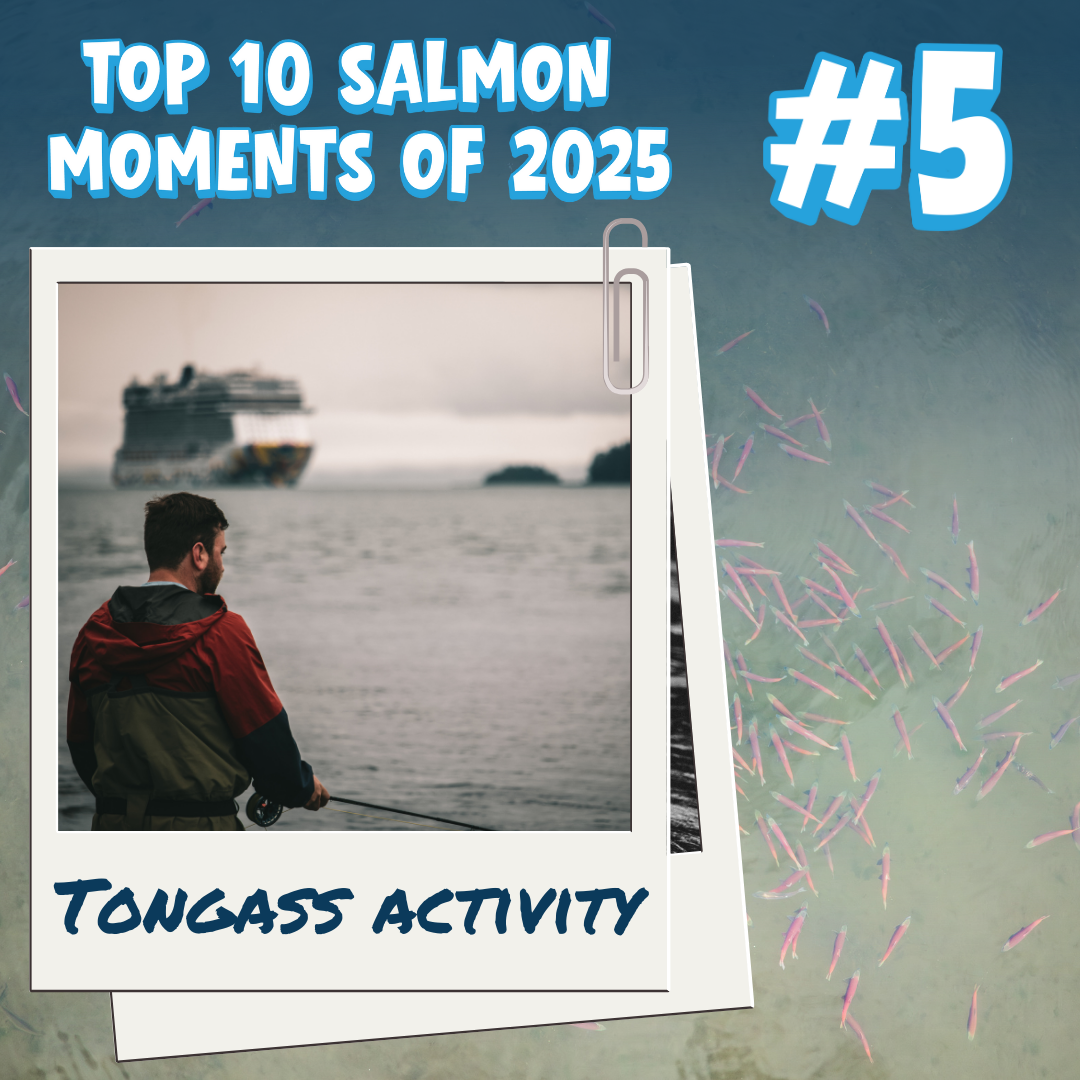
At no other time in history has it been more clear where the future, and present, of the Tongass lies: in wild salmon, in a well-managed visitor industry, and in sustainable, locally-led economic initiatives — not DC-lobbied, taxpayer funded clearcutting of our old growth. More than 99% of comments about the Administration’s desire to clearcut our forest and ship it to Asia were in support of instead retaining Roadless protections. On top of that, the U.S. Forest Service has striven for true balance and respect for Tribes’ and local communities’ wishes in its Tongass Assessment, released this year. Though the ongoing land management planning process may well move in a different direction soon given strong pressure from the clearcut logging industry and DC lobbyists, the fact the Forest Service came up with the draft they did is still a huge, and positive, step forward.
What’s more, despite a major change in direction at the Forest Service, projects to fix salmon habitat continued this summer thanks to the hard work of folks in Southeast Alaska. Despite the uncertainty of federal funding and shutdowns, several projects fixing salmon streams were done successfully. The Cube Cove Project on Admiralty Island is on the Forest Service priority list for the coming year. This wouldn't have happened without partners like Southeast Alaska Watershed Coalition, Kootznoowoo Stewardship Crew, Klawock, Indigenous Stewards Forest Partnership, Hoonah Native Forest Partnership, and dedicated staff at the Forest Service and Fish and Wildlife Service.
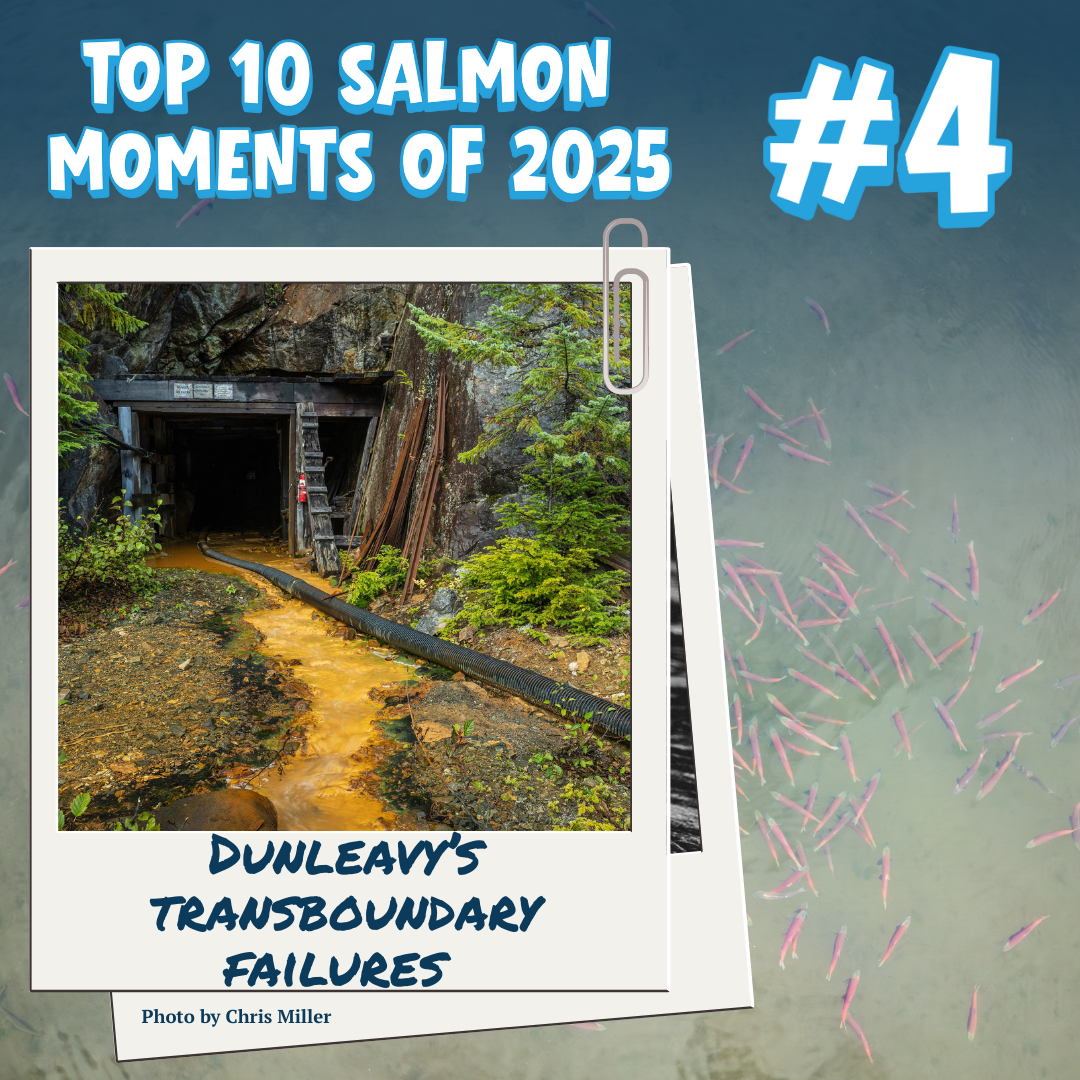
Awareness has been rising in Juneau of threats to the Taku: the Dunleavy Administration failing to speak up for transboundary waters; the proposed New Polaris gold mine plans part of its operations for Flannigan Slough, the Taku’s largest wetlands and crucial salmon area; and B.C. is continuing to fail to hold Teck Resources, the historical owner of the Tulsequah Chief, accountable, meaning that after more than ten years of promises, the abandoned mine will finally be cleaned up in 10 years “if all goes well.”
Meanwhile, Canadian reports have highlighted that the Red Chris mine, in the Stikine River system, is releasing toxins into the environment; the Tulsequah Chief continues to pollute; and heavy metal contamination at 886% of allowable levels was detected at the Premier gold mine tailings dams, one mile from the border along the Salmon River near Hyder.
The Dunleavy Administration has not only failed to express public concern, or outrage, about these contamination events on rivers flowing into Alaska, it has, more importantly, not worked to ensure this pollution doesn’t keep happening — and that our wild salmon rivers stay productive.
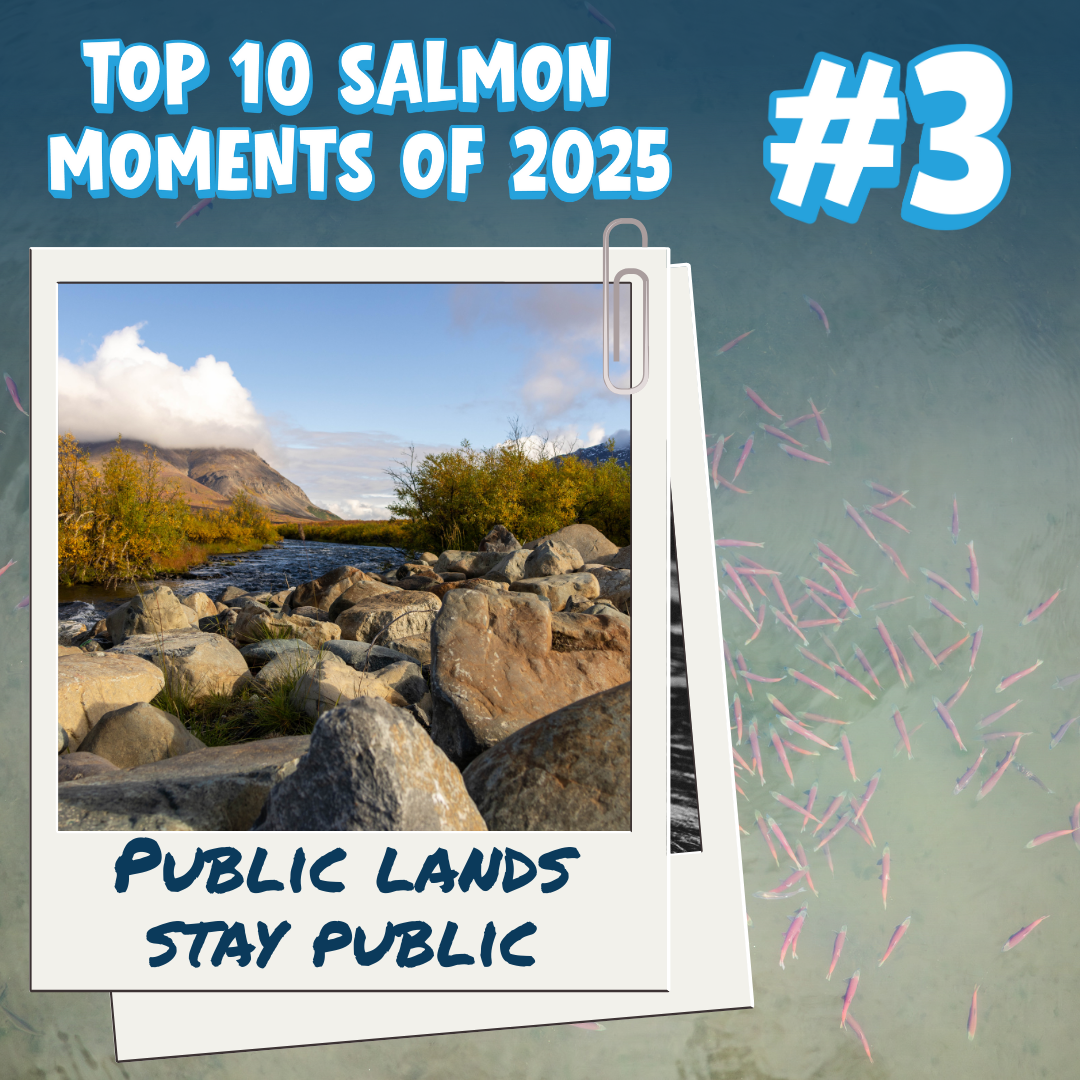
This year saw an enormous threat to public lands when Senator Mike Lee, R-Utah, tried to sell off public lands to private ownership in the “Big Beautiful Bill.” Even worse, Senator Dan Sullivan told reporters he thought selling off Alaska’s, and America’s, public land was “a great idea.”
The reaction was huge and powerful, with people across the political spectrum, and the country, who value public lands for many different reasons, telling the senators in no uncertain terms that selling off America’s public lands to private bidders was a nonstarter, and the action was removed. Senator Lee has made clear this is something he will continue to pursue.
In 2026 we will continue to stand up for public lands where we hunt, fish, and recreate. They are an essential part of our national heritage; where we pass on hunting, fishing, and cultural traditions to our children; and an essential part of what it means to be an Alaskan. They are also essential to Alaska's outdoor economy, which is the fastest growing in the nation.
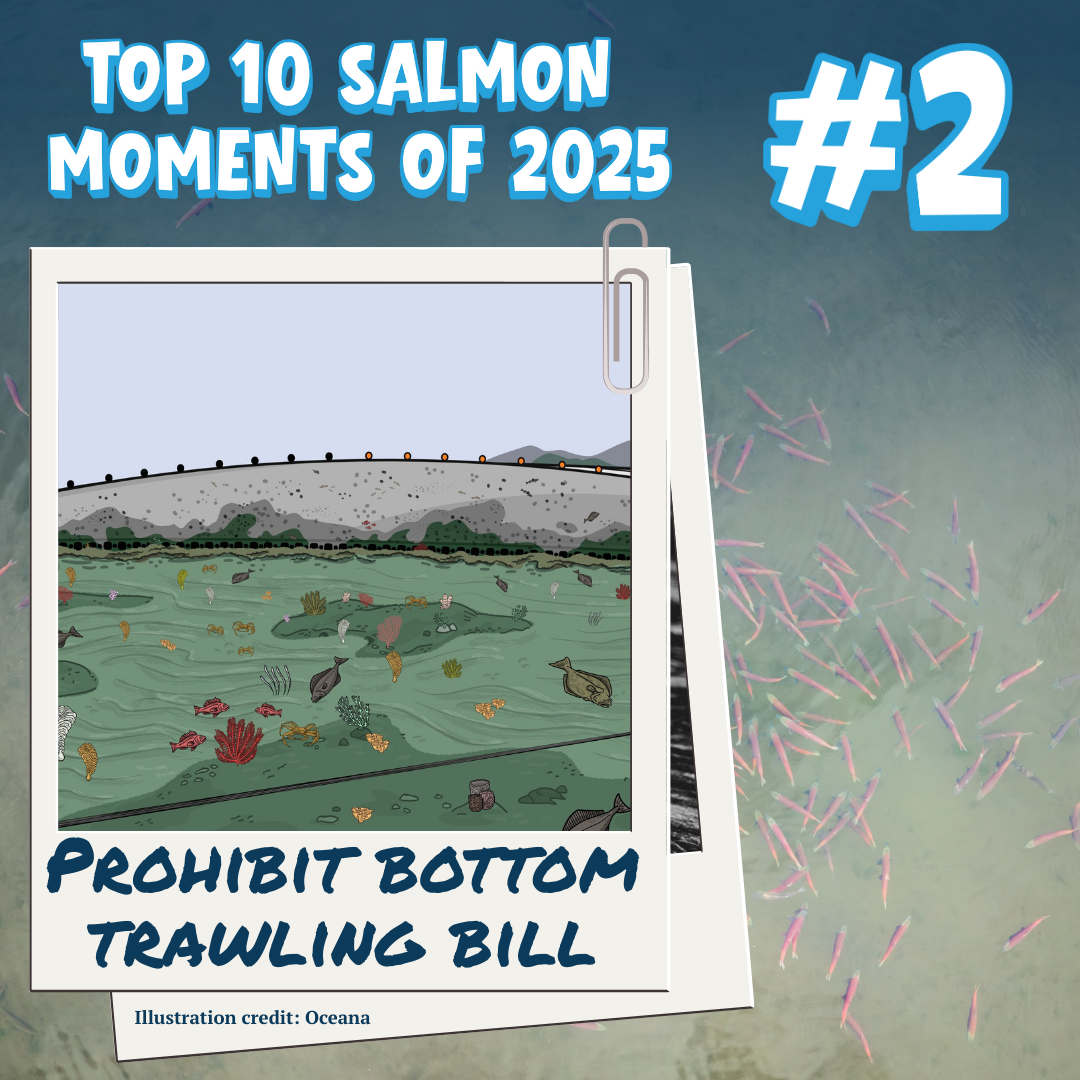
Senators Mike Cronk (R- Tok) and Robert Yundt (R- Wasilla) this past session introduced SB 161: Prohibit Bottom Trawling in the Alaska Senate. While bottom trawling is banned in state waters (within 3 miles of the coast), we know that “pelagic” or midwater trawlers hit the bottom of the ocean between 40-100% of the time. This bill would clarify in statute that bottom contact is prohibited, and we are grateful for their leadership, as well as that of Representatives McCabe (R- Big Lake) and Foster (D- Nome), who introduced HB 203, the House companion bill of SB 161. Now we just need Alaska’s federal elected officials to step up like our state elected officials have, and introduce a similar bill for federal waters — where most bottom trawling occurs.
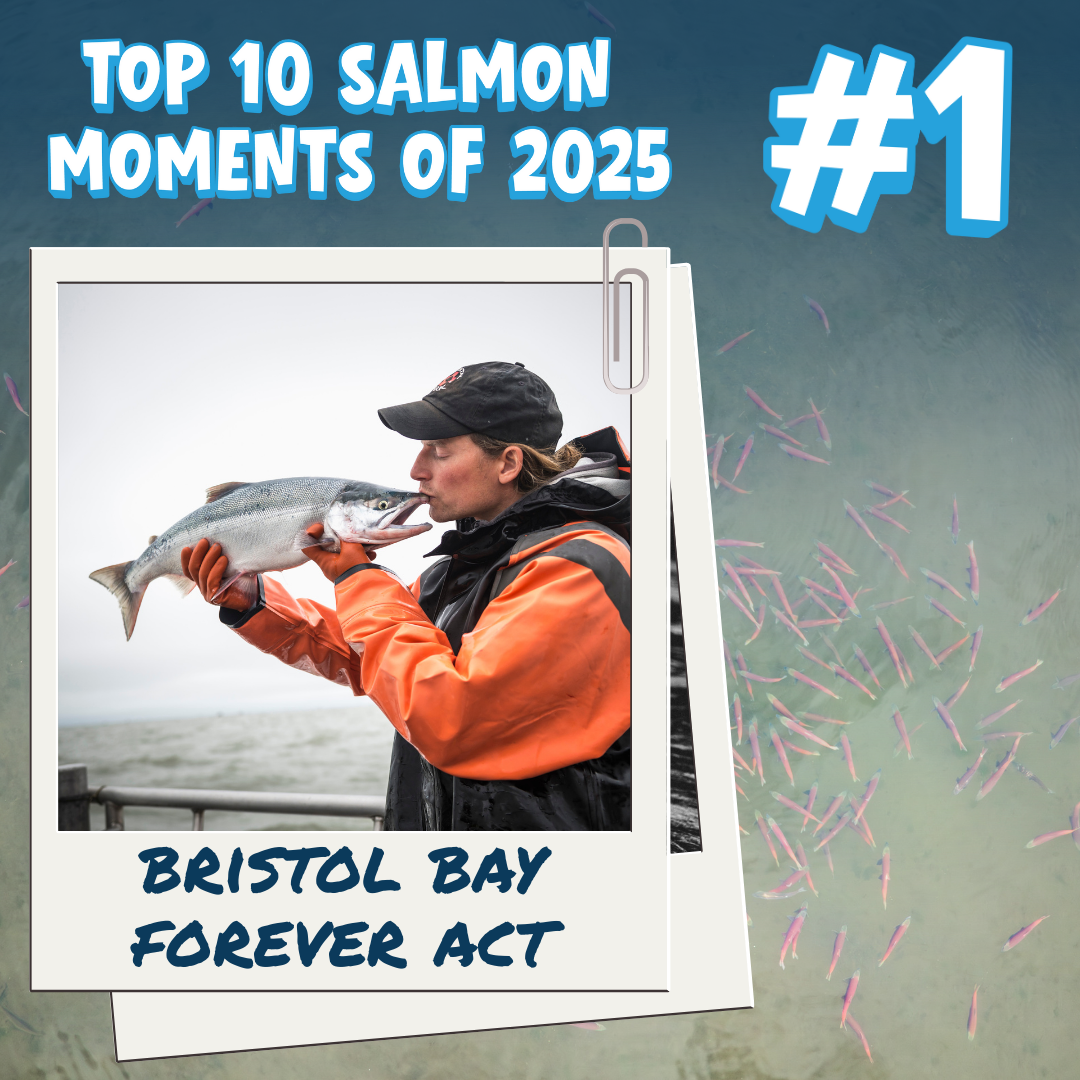
At the end of this year’s legislative session, Speaker Bryce Edgmon, Rep. Sara Hannan, and Rep. Andy Josephson (D-AK) introduced the Bristol Bay Forever Act. If passed, it would prohibit metallic sulfide mining in the Bristol Bay Fisheries Reserve and establish permanent state-level protection for Bristol Bay’s salmon, culture, and economy.